How FBI Agents Really Go Undercover (And Why It’s Nothing Like TV) By Melissa Saulnier | Stone & Steele FBI Thriller Series

Updated: Apr 22
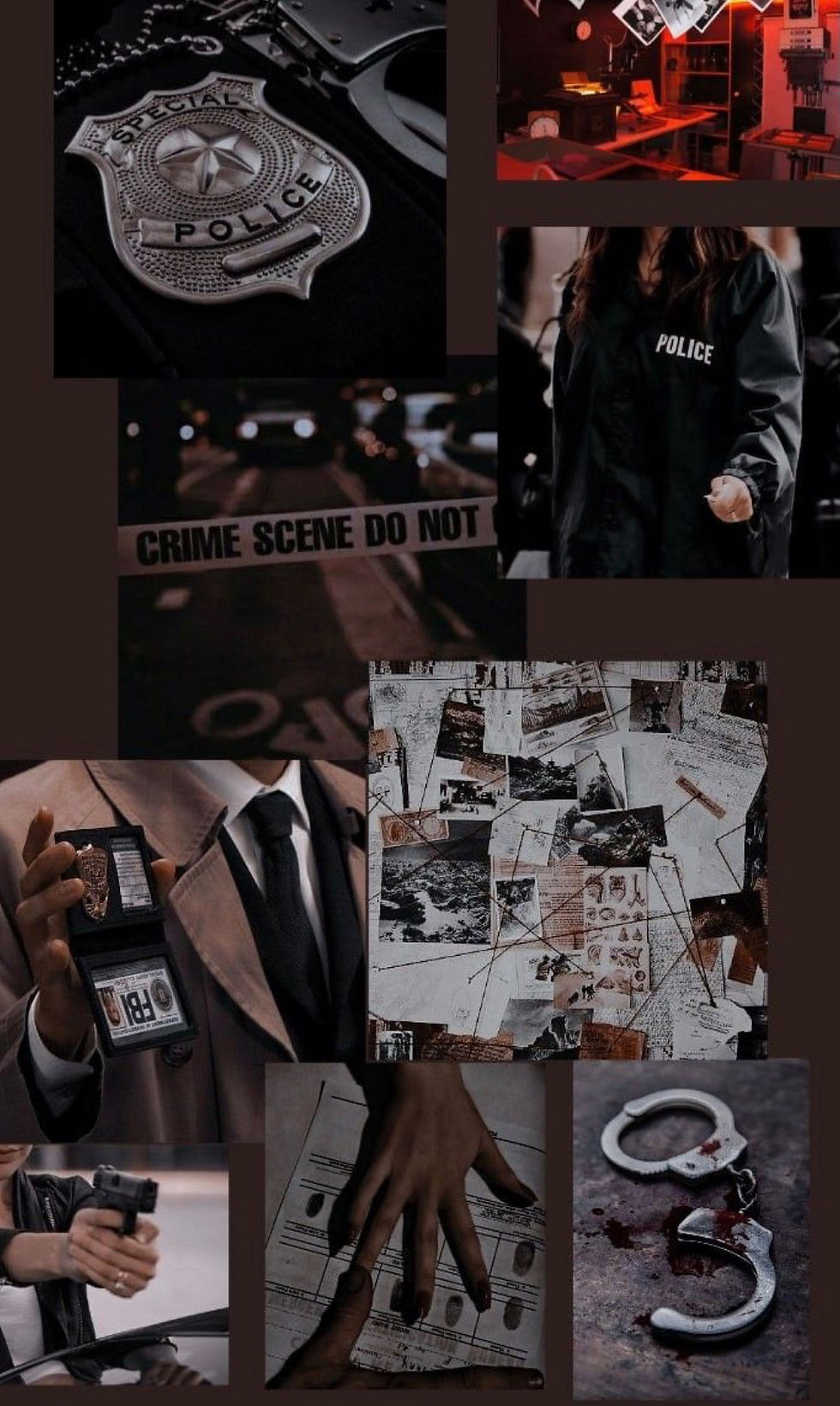
When Detective Emma Stone and FBI Agent Jeremiah Steele go undercover as an anniversary-celebrating couple in Murder on the Rocks, I didn’t invent that scenario out of thin air. I spent weeks digging into how the FBI’s undercover program actually works, the approval chains, the psychological strain, the tradecraft, the rules. What I found was both more bureaucratic and more dangerous than anything Hollywood typically shows.
Here’s the truth about what FBI undercover work actually looks like. It Starts Long Before Any Agent Puts on a Cover Identity
The television version of going undercover usually involves an agent getting a quick briefing, slapping on a leather jacket, and walking into a bar. The reality involves months of preparation and layers of institutional approval before a single conversation happens in the field.
Every FBI undercover operation, known internally as a UCO, requires documented justification and sign-off up the chain of command. Depending on the risk level and the nature of the case, approval must come from the special agent in charge of the field division, FBI headquarters, and in certain sensitive situations, the Department of Justice itself. Operations involving public officials, a substantial risk of violence, or agents participating in criminal activity require the highest levels of authorization.
This process can take months. One former FBI agent described spending weeks on paperwork alone before receiving a green light from Washington, along with a budget that could run well into six figures for a complex operation.
None of that makes it into the show you’re watching on a Tuesday night.
Not Every Agent Can Do It
Going undercover isn’t a general assignment rotated among available personnel. The FBI has a dedicated undercover program with a specific selection and certification process. Agents who want to work undercover must apply separately, pass psychological evaluation, and complete additional training at Quantico beyond the standard 20-week academy curriculum.
The psychological screening matters more than people realize. The core skill of undercover work isn’t acting, it’s relationship-building. As one supervisory special agent described it, the undercover program is about intimate human contact in a way that surveillance technology simply cannot replicate. The goal is to gain the genuine trust of people who have every reason to distrust law enforcement. That requires a specific kind of temperament, patient, emotionally controlled, and highly adaptable.
One motto in the training program cuts to the heart of the psychological complexity: you create relationships to betray them. For agents who work long operations, that weight doesn’t disappear when the case closes.
“Backstopping” Building a Life That Doesn’t Exist
Before an agent steps into a cover identity, that identity has to be made real, not just a fake name, but a fake history. The process is called backstopping, and it involves creating false documentation, establishing a believable background, and sometimes constructing entire business entities to support the cover story.
The FBI can operate what are known as proprietaries, business fronts owned or controlled by the Bureau that exist solely to legitimize an undercover agent’s cover identity and provide access to criminal networks. These aren’t hastily assembled props.
Sophisticated criminal organizations do their own due diligence. A bad backstop can get an agent killed.
In my Stone & Steele series, when Emma and Steele pose as tourists celebrating their anniversary in a remote Alaskan mountain town, every detail of their cover story has to be airtight, because the people they’re investigating are survivalists who’ve built their entire operation on identifying and eliminating threats. One wrong detail, one story that doesn’t hold up, and the whole operation unravels.
The Rules That Fiction Always Gets Wrong
Here’s something that surprises readers: FBI agents operating undercover are not legally permitted to do whatever it takes to make the case. They operate within strict Attorney General guidelines that have been refined over decades specifically to prevent entrapment and ensure prosecutions survive appeal.
Agents must ensure that the illegal nature of any activity is clear to the subjects, they cannot manufacture criminal intent in someone who doesn’t already possess it. There are specific limitations on what inducements can be offered. Supervisors must be kept in periodic communication throughout an active operation. Unauthorized deviations from the approved plan have to be documented and reported immediately.
This framework creates genuine dramatic tension that pure action storytelling often ignores. An FBI agent in the field doesn’t just have to outsmart the criminal. They have to do it within rules that the criminal isn’t playing by.
Why This Makes for Better Fiction
When I write Emma Stone and Jeremiah Steele working undercover, I want readers to feel the friction of that reality. The cover has to hold. The relationship between partners has to function professionally even when personal feelings complicate the picture. Every step toward the truth has to be taken in a way that won’t get thrown out of court.
That’s the tension that real FBI undercover work generates, and it’s far more interesting than anything invented from scratch.
The best FBI thrillers don’t just borrow the badge. They borrow the weight that comes with it.
Melissa Saulnier is the author of the Stone & Steele Alaska FBI thriller series. In Book 1, Murder on the Rocks, Emma Stone and Jeremiah Steele go undercover in an Alaskan mountain town to investigate a survivalist compound with deadly secrets. Signed copies available directly from the author.


Comments